 +91 9131509957
  info@rishikulyogshala.org




Equestrian Pose (Ashwa Sanchalanasana) – Top 7 Excellent Health Benefits
Equestrian Pose: Ashwa Sanchalanasana
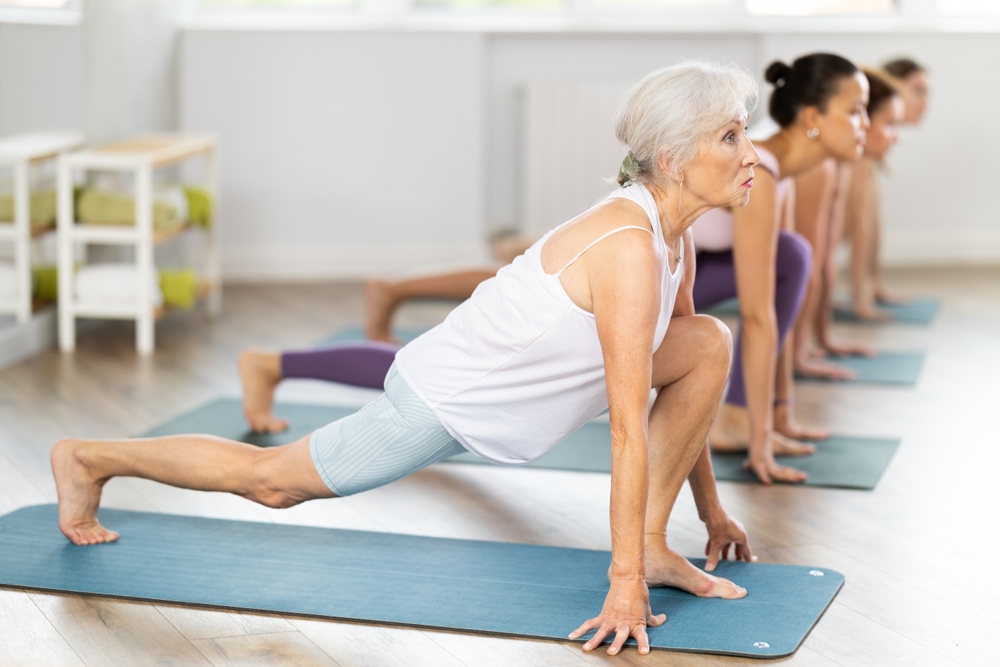
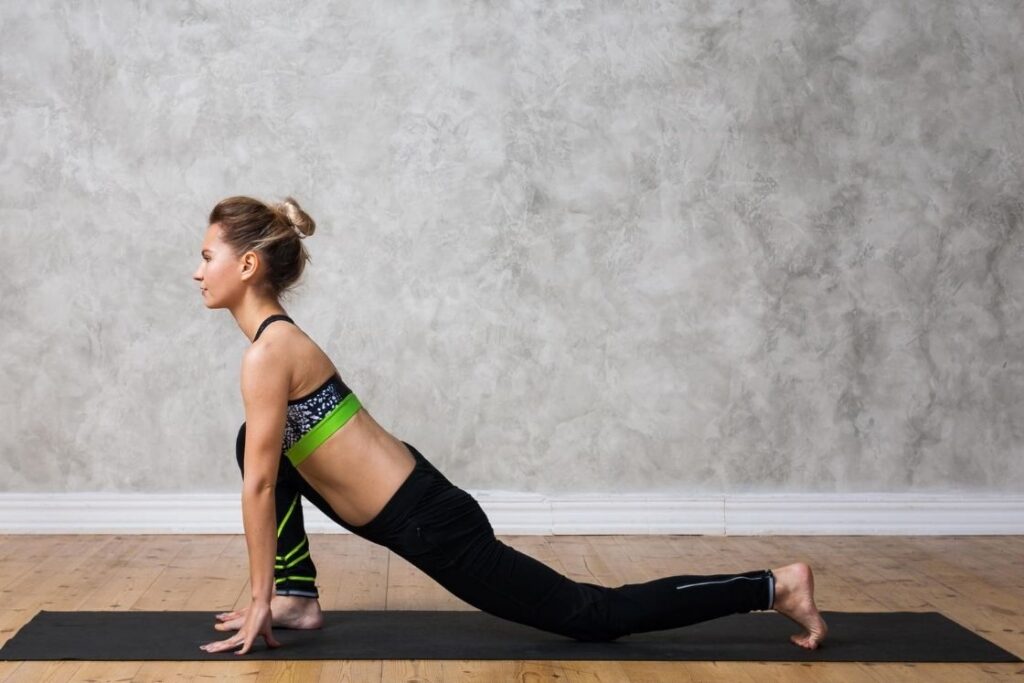
Equestrian Pose, also known as Ashwa Sanchalanasana in Sanskrit, is the fourth position in the practice of Surya Namaskar (Sun Salutations). The term “Ashwa” translates to “Horse,” and “Sanchalan” means “movement” or “stepping,” which is reflected in the asana’s imitation of a horse’s movement. This pose, also referred to as the Lunge Pose, is categorized under balancing postures. It is believed to have been developed in the 20th century through Indian martial arts.
How to Do Ashwa Sanchalanasana ?
- Start Position: Stand with your feet together.
- Forward Bend: Bend your left knee and step your right leg back.
- Hand Placement: Place your palms flat on the floor beside your feet.
Benefits of the Equestrian Pose (Ashwa Sanchalanasana)
Let’s discuss the benefits of Ashwa Sanchalanasana Equestrian Pose.
- Strengthens the Back: This asana stretches and elongates your back, which helps strengthen your back muscles and improve body balance. It can alleviate back pain and support conditions like spondylitis.
- Relieves and Strengthens Muscles: Engages the lower body, strengthening leg and ankle joints, and relieves tension in the groin and hips. It is also believed to help alleviate menstrual cramps.
- Improves Heart and Lung Capacity: The chest-opening action and breathing enhance cardiovascular health and lung capacity, promoting better blood flow.
- Boosts Digestion and Metabolism: Stimulates the digestive tract and improves metabolism, aiding in detoxification and body maintenance.
- Cardio Training and Flexibility: Offers good cardio benefits, tones thighs and hips, and improves posture and flexibility.
- Enhances Skin Glow: Improved blood circulation from this pose promotes skin rejuvenation and firmness, reducing premature wrinkles.
- Positive Emotional Impact: The deep breathing involved in this asana calms the mind, balances emotions, and enhances mental clarity.
Precautions and Contraindications of Equestrian Pose
- Knee Injuries: Avoid the pose if you have severe knee injuries. For mild injuries, rest your back knee on the floor while practising.
- Neck Discomfort: If you experience discomfort in your neck, gaze downward instead of forward.
- Pregnancy: Pregnant women should avoid this pose. However, experienced practitioners may modify the pose by keeping their hands on the inside of the front foot and gently straightening the back leg, if comfortable.

Also Read – 5 Excellent Yoga Poses for Sciatica Pain
Conclusion
Ashwa Sanchalanasana, or the Equestrian Pose, is a valuable yoga posture that supports strength, flexibility, and mindful movement. Regular practice helps open the hips, stretch the spine, and improve balance while encouraging steady breathing and mental focus. When practiced consistently, this asana contributes to better posture, increased energy levels, and overall physical stability. For those who wish to deepen their understanding of yoga beyond individual poses, structured learning through a 200 Hour Yoga Teacher Training in India at Rishikul Yogshala offers a deeper insight into traditional practices, alignment, and breath awareness, helping practitioners build a strong and informed yoga foundation.
Frequently Asked Questions
Q1. What is Ashwa Sanchalanasana used for in yoga practice?
Ashwa Sanchalanasana is commonly used to improve hip flexibility, strengthen the legs, and support spinal mobility. It is also an important step in Surya Namaskar.
Q2. Can beginners practice the Equestrian Pose?
Yes, beginners can practice this pose with proper guidance and gentle alignment. Using supports and moving slowly helps avoid strain.
Q3. How long should Ashwa Sanchalanasana be held?
The pose can be held for 15–30 seconds initially and gradually increased as strength, balance, and flexibility improve.
Q4. Are there any precautions for Ashwa Sanchalanasana?
People with knee, hip, or lower-back issues should practice with care and consult a qualified yoga teacher before including this pose in their routine.
Last Updated On: 23-01-2026

Lead Teacher in Yoga Philosophy, Pranayama, Meditation, Kundalini and Therapeutic Applications of Yoga
Born into a traditional spiritual home, Krishna spent over a decade climbing the corporate ladder at Capgemini and Morgan Stanley worldwide; before quitting them to explore the purpose of life. He set forth on a spiritual quest, Learning and Experiencing Yoga with Great Yogis and Spiritual Masters of the Modern World. Krishna's teachings comprises of the ancient practices of yoga through modern scientific reasoning. He specializes in Yoga Philosophy, Pranayama, Meditation, Kundalini and Therapeutic Applications of Yoga. Connect with your true nature and experience the mystical dimensions of yoga in conversation with Krishna.
View Instagram Profile

- What Are Healing Frequencies? Understanding the Power of Sound and Vibration

- Solar Plexus Chakra: What It Does, Where It Is, and How to Balance It?
- Om Shanti Mantra: Meaning, History & Its Deep Connection With Yoga
- Ujjayi Pranayama: Steps, Benefits & How to Practice

- Is 200 Hour Yoga Teacher Training Course Enough to Build a Successful Teaching Career?